by cecr | Jul 6, 2021 | News
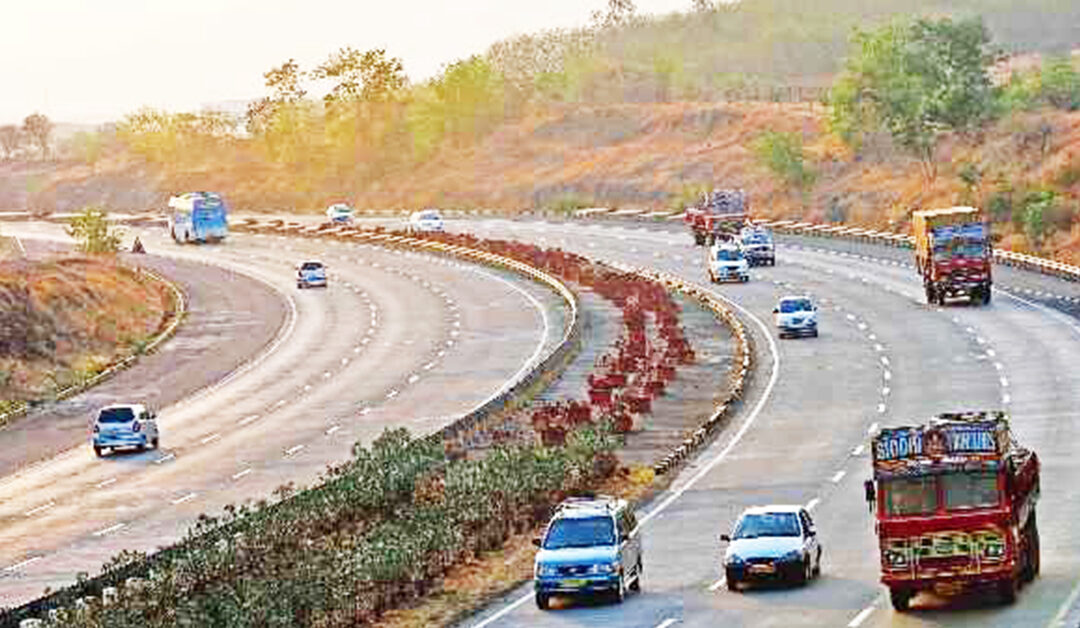
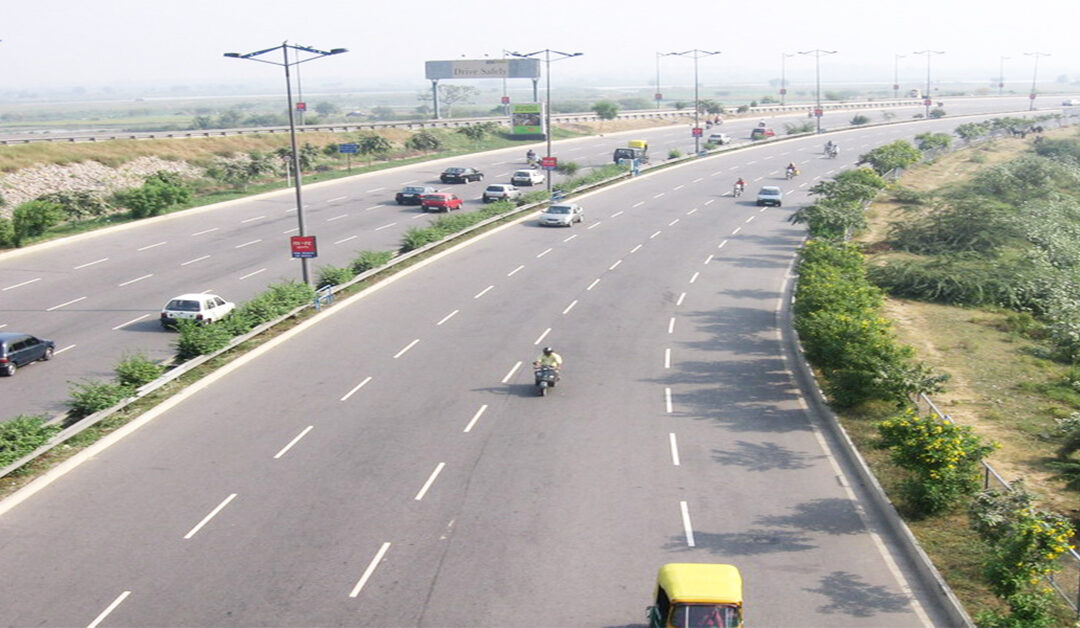
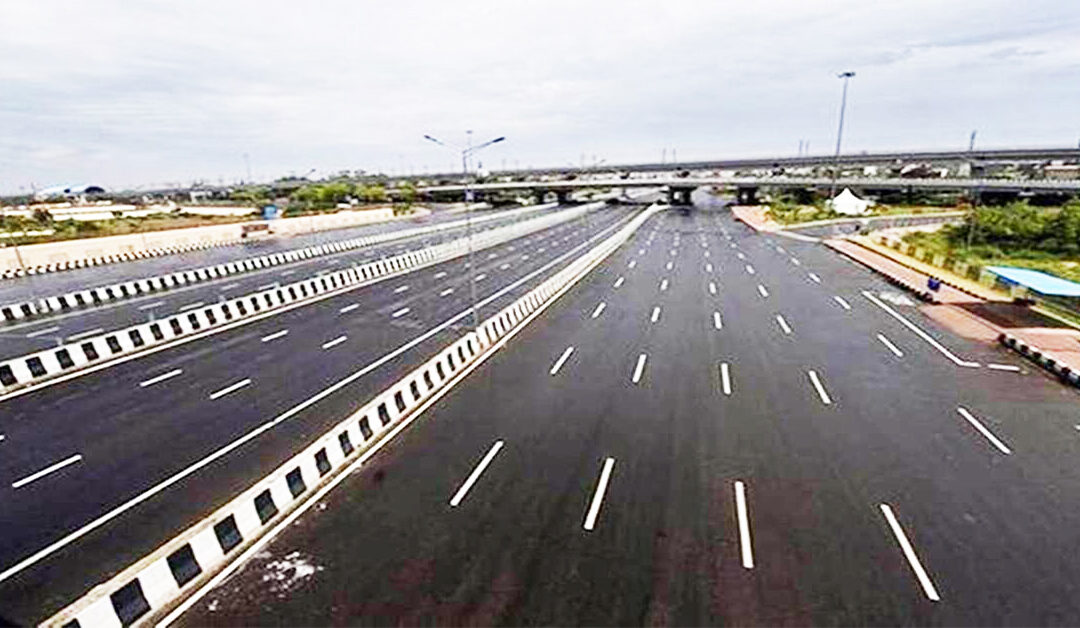
By 2023, one can drive on the world class Delhi-Mumbai Expressway which will also be India’s longest expressway. The flagship Delhi-Mumbai Expressway project of the Modi government is scheduled to be completed within three years, Union minister Nitin Gadkari has said. The cutting-edge expressway will cut down the travel time between Delhi and Mumbai to just 12 hours, according to reports.
The greenfield alignment, which has also been opted for building Delhi-Mumbai Express Highway, will help avoid habitation and check optimization of land-acquisition cost. Gadkari has said that his ministry has saved about ₹16,000 crore on land acquisition front citing that land could be acquired at a cost of ₹80 lakh per hectare for the project, as per the report.
The construction work of Delhi-Mumbai Express Highway will be completed in 51 packages. The construction work for Delhi-Mumbai Express Highway has already been started on 18 packages, the report said. The total length of the Delhi-Mumbai expressway, after completion, will be 1,320km with which, the Delhi-Mumbai expressway is set to become one of India’s longest expressways. The Delhi-Mumbai Expressway will cut the travel time between the national capital and financial capital of the country to 12-13 hours from 24 hours, Gadkari said. The total time taken by the authority to propel the expressway from concept to award is less than a year.
by cecr | Jul 6, 2021 | News
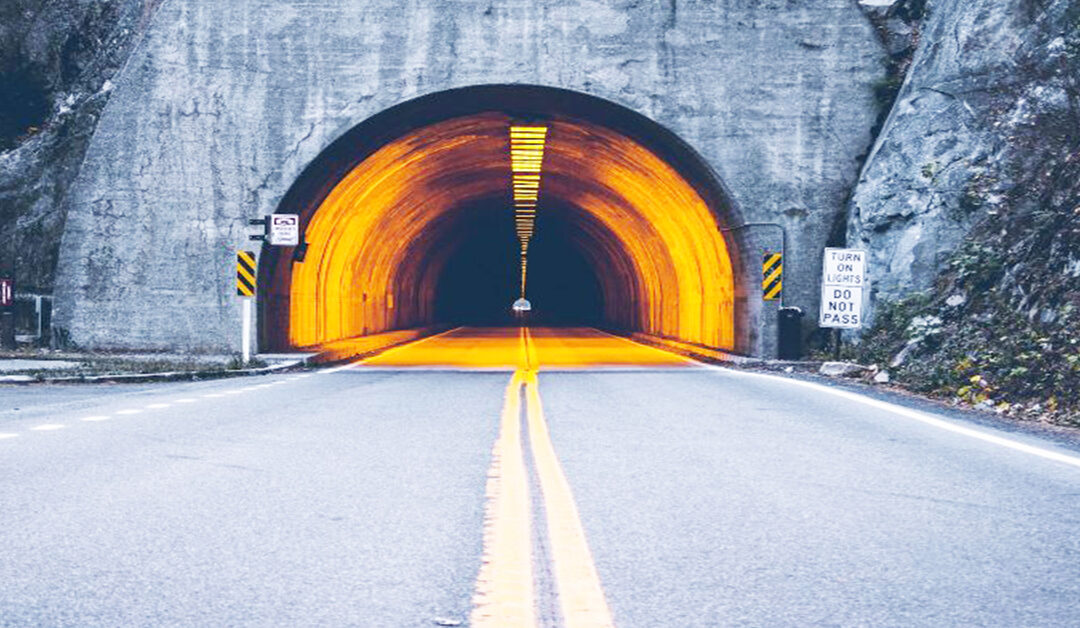
The ambitious double-tube tunnel from Banihal to Qazigund along the 270km long Jammu-Srinagar NH is currently going through the process of testing and commissioning and it is likely to become operational in coming weeks, the construction company officials said on Sunday.
The project has been built at a cost of ₹2,100 crore. Once the tunnel is opened for the public, the road distance between Banihal in Jammu and Qazigund in the southern part of Kashmir will reduce by 16km.
Chief Manager of Navayuga Engineering Company, Muneeb Tak was quoted saying that at present, the firm is engaged in the process of testing and commissioning after the installation of all equipment that was required including electric system and ventilation.
Navayuga sources were quoted saying that the ongoing work is likely to be completed within a few weeks and most likely, the tunnel will be thrown open to traffic by this month-end. A nod has also been received by the company for the trial run of the traffic through the tunnel.
According to Tak, the tunnel is a masterpiece of engineering. The infra project has been constructed with the Austrian Tunneling Method. Built on the Build Operate and Transfer base system, the ambitious tunnel project has been equipped with a state-of-the-art exhaust system in order to remove gas and bring in fresh air. The official further said that as many as 126 Jet fans, 234 CCTV cameras as well as a fire fighting system have been installed in both tubes of the tunnel. Inside the tunnel, a corridor between two tubes after every 500m has been developed. This can be utilized in case of any emergency in either tube, the official added.
by cecr | Jul 6, 2021 | News
The e-highway project has been a keen focus area for Union Road Transport and Highways Minister Nitin Gadkari and the first stretch of e-highways is likely to be completed by mid-2022. An electric highway or electric road recharges the batteries of vehicles driving on it. It is considered an energy-efficient option and helps in reducing carbon footprint. During Question Hour in the Lok Sabha in March this year, the Union Minister said, “Buses and trucks can ply on this e-highway at a speed of 120 kmph and will bring down the logistics cost by 70%.”
The first stretch where the government is considering rolling out the project is the 200km long Delhi-Jaipur highway on the Delhi-Mumbai Expressway, where 20% of the roads will be electrified, sources said. A separate lane will be built to recharge the batteries of cargo trucks and other electric vehicles.
Sources in the road ministry said they are in talks with four companies, including a German-based company, an Israel-based company and a Swedish company. The budgeting for the electrical highways will be through the PPP model (private-public partnership), where the government will provide incentives to industry partners to roll out the technology on highways and provide land for the same, while original equipment manufacturers (OEMs) will install the contact arm in vehicles
by cecr | Jul 6, 2021 | News
There has been a massive push for highway construction in the last few years as the government of India is giving utmost priority to the development of infrastructure. The Ministry of Road Transport and Highways (MoRTH) has confirmed that about 1,470km of National Highways were constructed in the first two months of the current Financial Year 2021-22.
As reported by PTI, the Road Transport Ministry has increased the pace of highway construction by 73.5% as compared to the corresponding period last fiscal. The MoRTH in a tweet said it had constructed 847km of the national highway during the April-May period last fiscal. Transport Minister Nitin Gadkari had previously said that the Indian government aims to achieve a target of road construction worth ₹15 lakh crores in the next two years.
by cecr | Jun 6, 2021 | Construction Equipments
Aimil, a leading Instrumentation company was established way back in 1932. It is multifunction, multi-service ISO 9001:2015 certified organisation which offers a wide range of state-of-the-art products, backed by local expertise and efficient pre and post-sales support services across India.
Civil Engineering Instruments is our core area where we offer best of Instruments and services, which include material testing, Geophysical, Seismic applications, Structural Monitoring and many more.
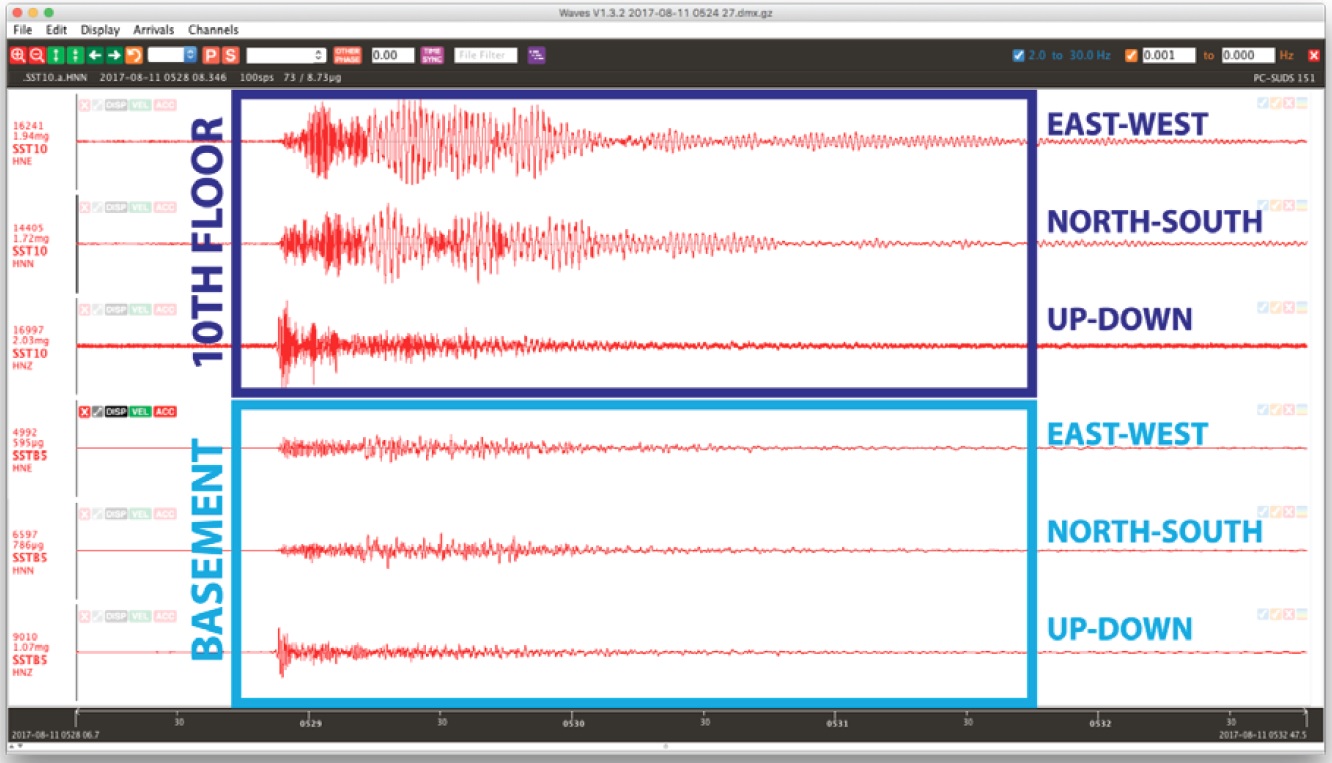
In India, the era of High Rise Buildings has begun. As we all know Tall buildings have their own specifics, which are significantly different from traditional buildings. Their construction involves high risks and also Engineering Complexities. Vibration Monitoring for High-rise buildings is very important in order to control the structure integrity, to increase the human safety and to evaluate the human disturbance. It is fundamental in case of new construction sites and in case of high seismic zones. Critical Factors, you need to ensure include –
Strong – Motion Monitoring
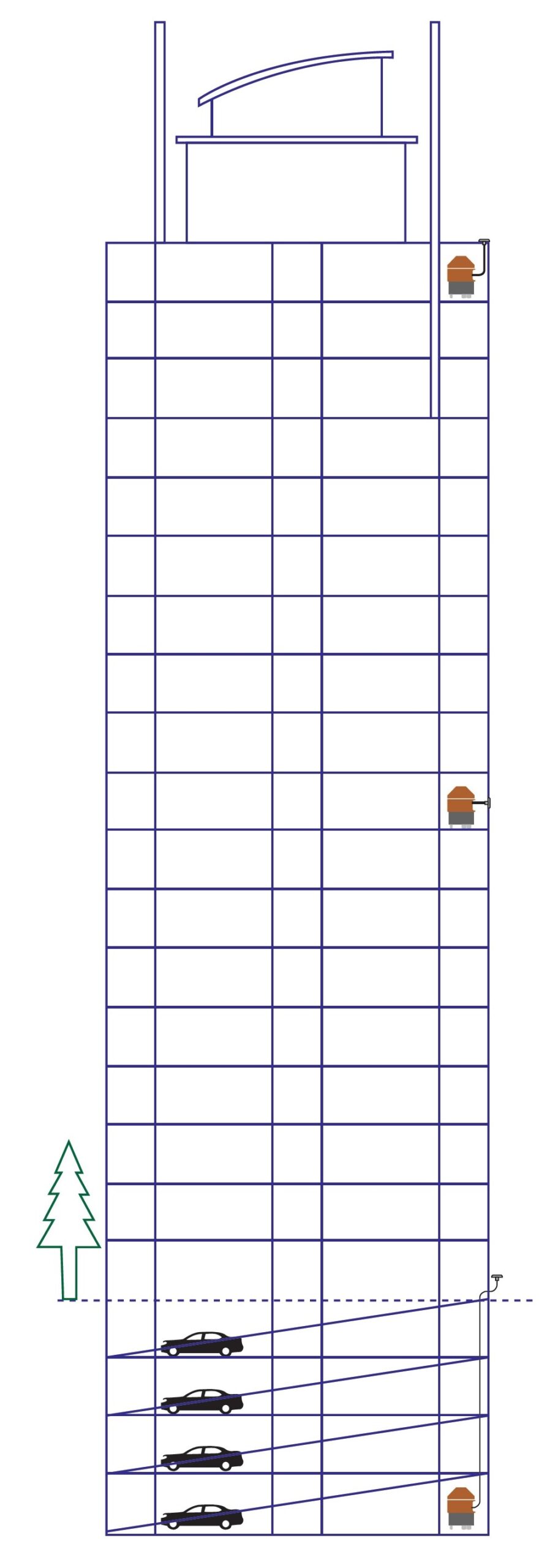
It is dedicated to buildings in high seismic zones, as defined by local or national geophysical institutes. The standard configuration includes 4 tri-axial accelerometers, one in the free field to properly record the earthquake and three inside the buildings (foundation, middle and top). The units are typically placed on the ground, close to the load-bearing walls of the structure.
Structural Damage Norms
The analyses according to the structural damage norms are needed for buildings around a construction site. The typical configuration is with 3 tri-axial sensors (accelerometers or geophones) inside the building, close to the load-bearing walls. The most important features are the velocity peaks and maximum frequencies.
Modal Analysis
The modal analysis is a collection of algorithms and techniques for the characterization of the structures, by obtaining natural frequencies, damping factors and mode shapes. It is mainly required for the design and testing of newly built structures to prevent resonance conditions.
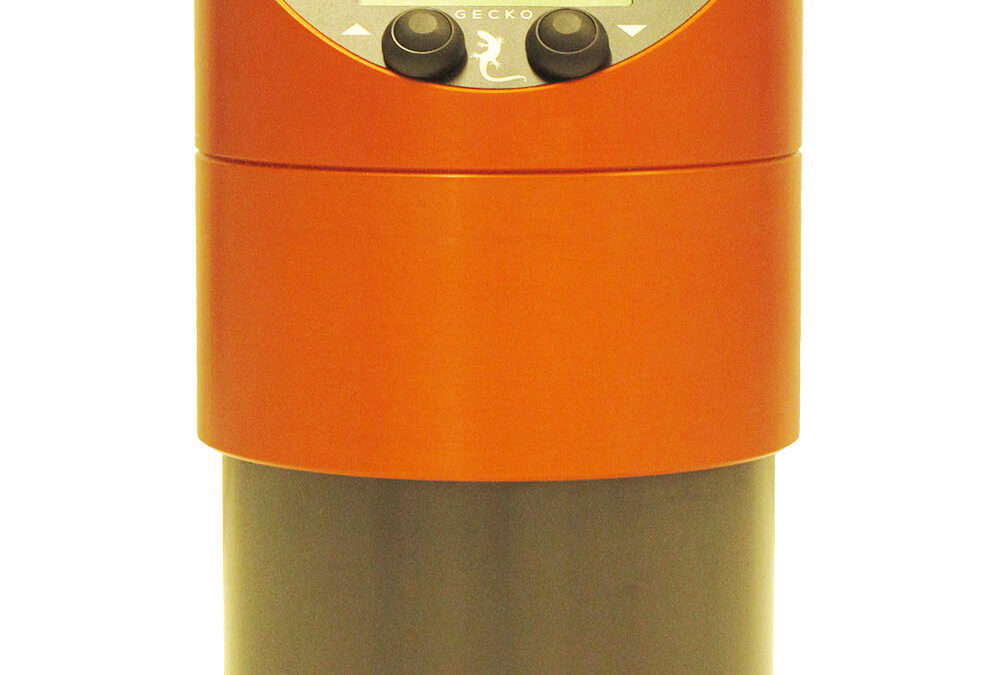
Aimil offers GECKO SMA and Velocity Sensors from its overseas partners ESS Australia. The Gecko is 7th generation of Earthquake Recorder and Digital Sensors provided with an integrated user interface for simple field operation.
The affordable professional GECKO recorder along with Accelerometer and Velocity sensors are useful to detect the natural frequency of your structure, as well as perform dynamic response analysis after an earthquake. The Gecko System can store over a year of continuous time series data on its memory card, can generate alarm signals when a major seismic event is detected. It can operate for hours without mains power should an earthquake interrupt the mains AC supply. Data from any number of Gecko seismographs can stream through Live Stream software, displaying data on screen, storing data to an archive, allowing remote configuration of the Gecko units, and even sending out email notifications if peak acceleration, velocity or displacement values (PGA, PGV, PGD) exceed user-defined thresholds and frequency levels. The Ethernet adaptor can be replaced with a 3G modem for telemetry to a remote server.
Within minutes you can record earthquakes, blasts and other ground vibrations using our latest generation instrument that makes high dynamic range, high sample rate, low power, continuous recording accessible to experts and novices alike. The Gecko can record everything continuously while logging trigger times for you to sort through back at the lab and also archive.
For further information,
visit: www.aimil.com




 Aimil, a leading Instrumentation company was established way back in 1932. It is multifunction, multi-service ISO 9001:2015 certified organisation which offers a wide range of state-of-the-art products, backed by local expertise and efficient pre and post-sales support services across India.
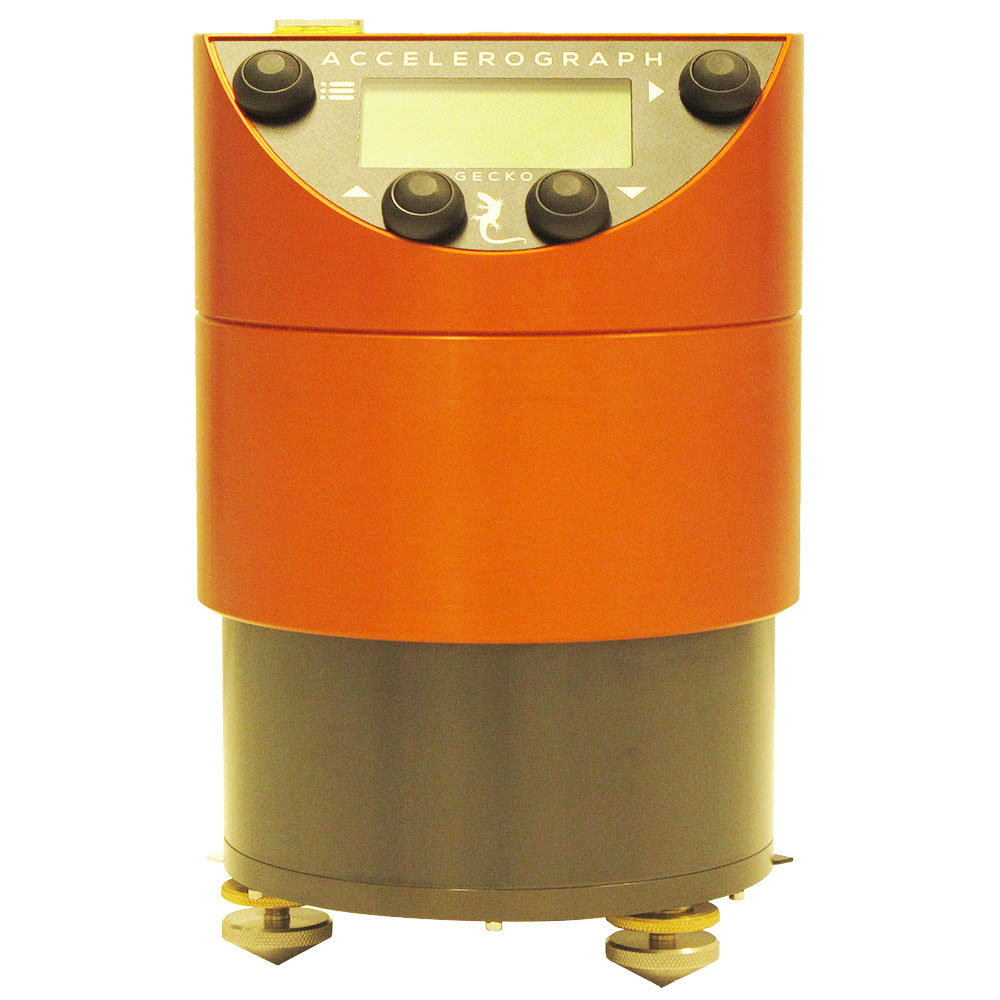 Aimil offers GECKO SMA and Velocity Sensors from its overseas partners ESS Australia. The Gecko is 7th generation of Earthquake Recorder and Digital Sensors provided with an integrated user interface for simple field operation.